Explore Our Latest News & Articles
Ask a group of seasoned cruisers what makes a trip successful, and you'll rarely hear them talk about perfect weather or flawless timing. More often, they'll describe something quieter: the ability to adapt without stress when conditions shift.
Flexibility is not accidental. It is built into the plan long before lines are cast off.
While cruising guides, charts, and forecasts provide a foundation, experienced boaters know that conditions on the water evolve daily. Channels shoal. Fuel docks adjust hours. Staffing changes affect service and availability. A calm harbor in the morning can feel very different by late afternoon. Building flexibility into a trip means acknowledging that variability from the outset and planning accordingly.
Start With Range, Not a Fixed Endpoint
One of the most common planning mistakes is treating a destination as non-negotiable. Experienced cruisers instead think in terms of range. Rather than committing mentally to a single marina, they identify a comfortable cruising radius that includes multiple viable stops.
This approach immediately reduces pressure. If weather slows progress or a marina reaches capacity earlier than expected, there are alternatives within reach. The day's success is no longer tied to a single outcome.
Prioritize Recent Information
Familiar destinations can create a false sense of certainty. A harbor visited for years may feel predictable, but recent reports often tell a more current story. Depth conditions, dock configurations, approach notes, and even management practices can shift season to season.
It's important to make a habit of reviewing recent activity before departure to respect changing conditions. Up-to-date information turns flexibility from theory into something actionable.
Build Time Margins Into the Schedule
Rigid timelines are the enemy of good decision-making on the water. When arrival times are tight, crews are more likely to push through deteriorating weather, increasing traffic, or marginal docking conditions.
Flexibility often begins with the schedule. Leaving earlier than strictly necessary, avoiding late-day arrivals when possible, and accounting for tidal or current variables all create room to adjust calmly. A modest time buffer can eliminate the need to rush.
Identify a Practical Plan B
A backup does not need to be elaborate. It may simply be noting the nearest protected anchorage, a secondary marina with compatible draft, or a fuel stop earlier along the route.
The important step is identifying that option before it becomes necessary. When alternatives are considered in advance, decisions on the water feel deliberate rather than reactive.
Flexibility Is a Seamanship Skill
The most relaxed crews are not those who assume everything will go smoothly. They are the ones who have allowed for the possibility that it may not.
Building flexibility into every trip is less about anticipating problems and more about creating space to reassess and adjust without pressure.
Before your next leg, look beyond the primary destination. Use Waterway Guide's Explorer tool to compare nearby marinas, scan recent reviews, and review the latest navigational alerts along your route.
The goal is not to change plans. It is to cruise with confidence supported by current, verified information.


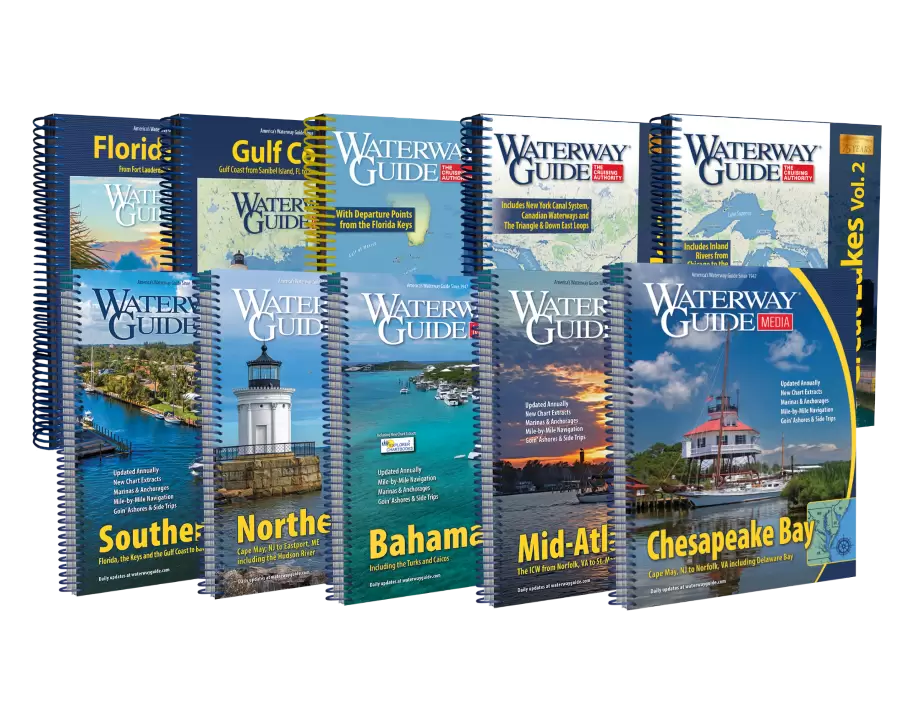
- 4,000 Marinas
- Thousands of anchorages
- Updated Charts
- Mile-by-Mile Navigation
- Highlighted Alerts & Cautions
- Full-Color Aerial Photographs
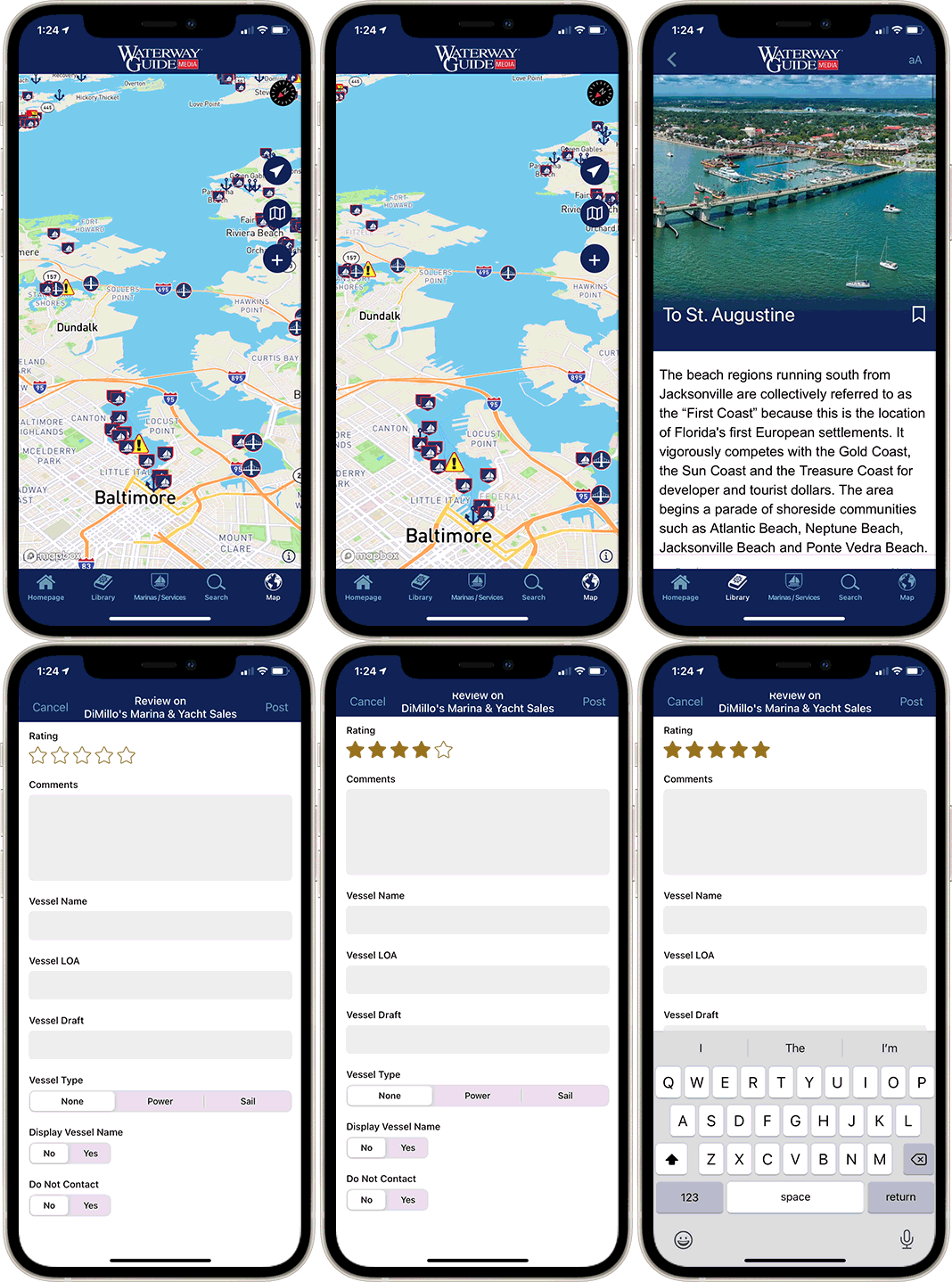
The Waterway Guide App Makes it easy to leave reviews, use our explorer, and view waterway guide materials all on the go!